Canine parvovirus disease
Canine parvovirus is a severe infectious disease with high contact infections in dogs. The disease was discovered by Eugster in 1977. It is clinically characterized by acute hemorrhagic enteritis and myocarditis and can be treated with injection of viral monoclonal antibodies or high immunity.
Canine parvovirus disease symptoms
(1) Enteritis type. More common in puppies aged 3 to 4 months. Affected dogs have low moods, loss of appetite, elevated body temperature above 40 °C, vomiting and diarrhea, stools that are mucous, grayish yellow, mixed with the intestinal mucosa, and emit a special fishy odor. The dog quickly dehydrated, the eye sockets were sunken, the skin was less elastic, and it died of electrolyte imbalance and acidosis.
(2) Types of myocarditis. It is common in puppies aged 4 to 6 weeks. Sudden onset, in addition to mild diarrhea or vomiting, mucous membranes, rapid weakness, dyspnea and heart murmur are seen, often sudden death due to heart failure, mortality rate is 60% to 100%.
Canine parvovirus disease treatment
Myocarditis dogs have a severe course and rapidly deteriorate. They often die before being cured. If enteritis can be treated in a timely and reasonable manner, it can usually be cured. At this time, you should contact the pet hospital in time. If conditions do not allow, you can buy high free serum for treatment, and pay attention to fluid replacement, antibacterial, anti-inflammatory. At this time, the dog basically has no appetite, and can only maintain the dog's basic nutritional needs through infusion. At this time, we must strengthen nursing, pay attention to keep the dog warm, fasting, severe vomiting, diarrhea should drink more. During the recovery period, you should eat a few times, eat more liquid food, drink more water, and gradually increase your intake. Feed easily digestible feeds such as milk and egg yolk. Do not feed non-digestible meat to reduce the burden on the stomach and intestines and improve cure rates. During this time, sick dogs are very weak and bathing is forbidden. Once cured, diseased dogs will gain extremely strong immunity and will not develop the disease in the future.
Canine parvovirus
Canine parvovirus was isolated from the feces of sick dogs with enteritis simultaneously in 1978 by Kelly of Australia and Thomson of Canada. Since the virus was discovered, it has spread throughout the world and is one of the most severe infectious diseases that endanger dogs One.
After a healthy dog is infected with the virus through the digestive tract, the virus mainly attacks two types of cells, one is intestinal epithelial cells and the other is myocardial cells, which show gastrointestinal symptoms and myocardial inflammation symptoms, respectively.
Canine parvovirus transmission
Sick and rehabilitation dogs are the source of the disease. Sick dogs detoxify the outside world through feces, urine, saliva, and vomit; recovered dogs may excrete feces and urine for a long time, contaminating feed, drinking water, food utensils, and the surrounding environment [2]. The diseased dog usually peaks by detoxification 7-8 days after infection, and drops sharply at 10-11 days. There is evidence that humans, flies and cockroaches can all become mechanical carriers of CPV. The route of transmission of the disease is generally considered to be the digestive tract, and susceptible animals are infected mainly through direct or indirect contact.
Canine parvovirus prevention
Vaccination is a fundamental measure for prevention. However, immune failure may occur, which is related to vaccine quality and immune interference. Mainly due to improper selection of vaccine strains and interference from maternal antibodies. The vaccine should be of reliable quality. The first exemption time is generally considered to be about 10 weeks of age, but considering that it is also the susceptibility period of puppies before 10 weeks of age, it is generally possible to inject the canine dual vaccine at 6 weeks of age (this vaccine It can break through the interference of maternal antibodies). At the age of 10 weeks, the six-line vaccine is injected, and then every three weeks, the six-line vaccine is injected, for 2-3 times in a row, and then immunized once a year.
Canine coronavirus disease
Canine coronavirus disease is an acute intestinal infectious disease caused by canine coronavirus. It is characterized by vomiting, diarrhea, dehydration and easy relapse.
Canine coronavirus disease symptoms
The incubation period is 1 to 5 days and clinical symptoms vary. Mainly manifested as vomiting and diarrhea. Severely ill dogs have dizziness, drowsiness, decreased appetite or loss of appetite, and most dogs have no temperature change. Dry mouth, dry nose, vomiting and diarrhea persist for several days. The stool is porridge-like or watery, red or dark brown or yellow-green, stained, mixed with mucus or a small amount of blood. The white blood cell count was normal and the course of disease was 7 to 10 days. Some sick dogs, especially puppies, die within 1 to 2 days of onset, and adult dogs rarely die.
Canine coronavirus disease treatment
Use symptomatic treatments such as antiemetics, diarrhea, fluid replacement, antibiotics to prevent secondary infections, fast food and water, coronavirus is a gastrointestinal disease, fast food and water are necessary, and if food and water are in the stomach, bacteria will often be there and diluted, often go to the "conventional veterinary station" to inject anti-inflammatory agents and nutrient solutions, and then serum, which usually recovers within 7 days. The chance of a coronary cure is approximately 95%. The vaccine has no preventive effect against canine coronavirus. Measures to reduce morbidity are to strengthen feeding management and strictly implement veterinary health measures.
Canine coronavirus
Canine coronavirus is a single win RNA virus with 6 to 7 polypeptides, 4 of which are glycopeptides and do not contain RNA polymerase and neuraminidase. Canine coronavirus (CCV) is a source of viral infectious diseases that seriously endangers the dog industry, economic animal reproduction, and wildlife protection.
Canine parvovirus transmission
Canines, marten, foxes and other dogs may be infected by the disease. Can infect dogs of different breeds, genders and ages, but puppies are most susceptible to infection, with an incidence rate of almost 100% and a case fatality rate of 50%. Sick and infected dogs are the main infections. Resources. The virus is transmitted to healthy dogs and other susceptible animals through direct and indirect contact of the respiratory and digestive tracts. The disease can occur year-round, but it occurs more often in winter. Sudden changes in climate, poor sanitary conditions, large numbers of dogs, weaning changes and long-distance transportation may all induce this disease.
Canine coronavirus prevention
1. Puppy house is cleaned every day to remove feces and keep it dry and clean. Use Peders 100 poison killer according to the instructions of the bottle sign or spray and disinfect 0.1% peroxyacetic acid solution once a week. Sick puppies are sterilized by flame disinfection.
2. Feed and drinking water should be clean and hygienic. Do not feed rotten feed and dirty drinking water. The remaining feed and drinking water of the sick puppies are dug deep, and the feeding equipment shall be thoroughly disinfected before being used.
3. Newborn puppies need to eat enough colostrum. Obtaining maternal antibodies and immune protection are important measures to prevent this disease; non-immunized puppies can also be injected with adult puppies' serum for prevention. A puppy are sick, and all littered.
4. Isolate the sick puppies immediately. Collect the feces of the sick puppies and send them to the provincial and municipal veterinary laboratory for inspection, confirm the disease type, and take medicine for the disease.
Summary
Canine coronavirus is often co-infected with canine parvovirus, rotavirus, and other gastrointestinal diseases. It hurts dogs, especially puppies.
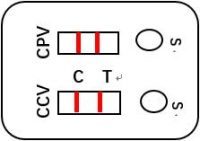
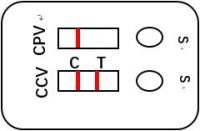
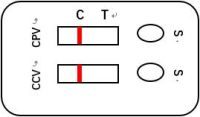
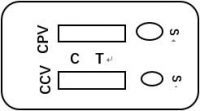
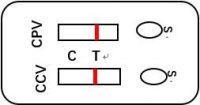
The Canine Parvovirus+Canine Coronavirus Combo Test (Ag) kit provided by
BALLYA can effectively detect whether a dog has canine parvovirus disease and canine coronavirus disease or whether it carries canine parvovirus disease and canine coronavirus. The kit is not only simple to operate, but also has a short detection time and high accuracy, which allows the veterinarian to grasp the dog's physical condition at the first time and make corresponding treatment in time.